


What Are the Real Causes of Slow Energy Metabolism?
Have you ever felt tired even after a full night’s sleep? Or noticed your body slowing down despite eating “healthy”? These are not random issues — they often point directly to the causes of slow energy metabolism.
Your metabolism is more than just how fast you burn calories. It’s your body’s internal energy system — responsible for converting food into fuel, supporting brain function, regulating hormones, and maintaining overall vitality. When this system slows down, everything else follows.
Many people assume aging is the only reason. But in reality, there are multiple hidden causes of slow energy metabolism that silently affect your daily energy, focus, and even weight.
From poor lifestyle habits to deeper biological imbalances, your metabolism can be influenced by factors you might not even notice. That’s why understanding the root problem is the first step toward fixing it.
In today’s fast-paced world, stress, poor nutrition, lack of movement, and sleep disruptions have become extremely common. All of these contribute directly to the causes of slow energy metabolism, making it harder for your body to function efficiently.
The good news? Most of these causes are reversible.
By identifying what’s slowing your metabolism, you can start making targeted changes that restore your energy naturally with ways to boost your body’s natural energy system — without extreme diets or complicated routines.
In this guide, we’ll break down 11 proven causes of slow energy metabolism and show you exactly how to fix them with simple, practical strategies that actually work.
Let’s start with one of the most overlooked causes that affects millions of people every single day.

1. Poor Sleep Quality Disrupts Your Energy System
Poor sleep quality explained in the Mayo Clinic guide on sleep and overall health
One of the most underestimated causes of slow energy metabolism is poor sleep. It’s not just about how long you sleep — it’s about how well your body recovers during that time.
When your sleep cycle is disrupted, your body struggles to regulate key hormones like cortisol and melatonin. This imbalance directly impacts how efficiently your body produces and uses energy. As a result, your metabolism slows down, and you wake up feeling tired instead of refreshed.
Over time, this becomes one of the major slow metabolism reasons, especially in people who stay up late, use screens before bed, or have inconsistent sleep schedules.
✔️ Fix It Fast:
- Maintain a consistent sleep schedule (sleep and wake same time daily)
- Avoid screens 60 minutes before bed
- Keep your room dark and cool
- Aim for 7–9 hours of quality sleep
Improving sleep alone can significantly reverse several causes of slow energy metabolism.
2. Lack of Physical Activity Slows Energy Production
Your body is designed to move. When you stay inactive for long periods, your metabolic rate naturally drops. This is one of the most common metabolism slowdown causes in today’s sedentary lifestyle.
Physical movement helps your body generate energy at the cellular level. Without it, your system becomes less efficient, leading to fatigue, brain fog, and reduced stamina.
Even if you eat well, a lack of activity can still be a major contributor to the causes of slow energy metabolism.
✔️ Fix It Fast:
- Add at least 20–30 minutes of daily movement
- Include strength training 2–3 times per week
- Take short walking breaks during the day
- Avoid sitting for long uninterrupted hours
Regular activity not only boosts your metabolism but also helps you increase energy levels naturally without relying on stimulants.
3. Poor Nutrition and Nutrient Deficiencies
Your body cannot produce energy efficiently without the right nutrients. One of the most overlooked causes of slow energy metabolism is a diet lacking essential vitamins, minerals, and macronutrients.
Highly processed foods, excessive sugar, and low protein intake can weaken your metabolic function over time. Your body needs nutrients like B vitamins, magnesium, and iron to convert food into usable energy. Without them, your system slows down, making this one of the key slow metabolism reasons.
You can also support your metabolism by learning how to stabilize blood sugar naturally for consistent energy.
In many cases, people eat enough calories but still feel drained because their body isn’t getting the right kind of fuel.
✔️ Fix It Fast:
- Focus on whole, nutrient-dense foods
- Include lean protein in every meal
- Add leafy greens, nuts, and seeds
- Stay hydrated throughout the day
Improving your diet is one of the fastest ways to reverse multiple causes of slow energy metabolism.

4. Chronic Stress and Hormonal Imbalance
Stress is not just mental — it directly affects your body’s energy system. Long-term stress increases cortisol levels, which can disrupt how your body stores and uses energy.
This hormonal imbalance explained by National Institutes of Health on endocrine system and metabolism is a major contributor to the causes of slow energy metabolism, especially in people dealing with work pressure, poor sleep, or constant anxiety.
When cortisol remains elevated, your body shifts into “survival mode,” slowing down non-essential functions like metabolism. Over time, this leads to fatigue, weight gain, and reduced energy output — all common signs linked to metabolism slowdown causes.
✔️ Fix It Fast:
- Practice daily stress management (deep breathing, mindfulness)
- Spend time outdoors or in sunlight
- Reduce caffeine intake if overstimulated
- Prioritize relaxation and recovery time
Managing stress effectively can restore balance and help improve metabolism fast with daily habits to boost energy and metabolism without drastic changes.
5. Dehydration Reduces Cellular Energy Efficiency
Water plays a critical role in every metabolic process inside your body. Even mild dehydration can slow down how efficiently your cells produce energy. This makes it one of the silent yet impactful causes of slow energy metabolism.
Your body relies on proper hydration to transport nutrients, regulate temperature, and support enzymatic reactions. When you’re dehydrated, these processes become less efficient, leading to fatigue, headaches, and reduced focus.
Many people overlook hydration, yet it remains one of the simplest metabolism slowdown causes to fix.
✔️ Fix It Fast:
- Drink at least 2–3 liters of water daily
- Start your day with a glass of water
- Limit sugary drinks and excess caffeine
- Add electrolytes if needed (especially in hot climates)
Staying hydrated helps your body increase energy levels naturally and supports optimal metabolic function.
6. Skipping Meals or Extreme Dieting
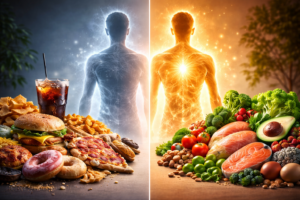
While dieting is often associated with better health, extreme calorie restriction can actually harm your metabolism. When your body senses a lack of food, it shifts into conservation mode — slowing down energy usage.
This survival response is one of the major causes of slow energy metabolism, especially in people who skip meals or follow restrictive diets for long periods.
Instead of boosting energy, this approach often leads to fatigue, cravings, and reduced performance. Over time, it becomes one of the key slow metabolism reasons affecting overall vitality.
✔️ Fix It Fast:
- Eat balanced meals at regular intervals
- Avoid skipping breakfast or main meals
- Include protein, healthy fats, and complex carbs
- Focus on consistency rather than restriction
Fueling your body properly is essential if you want to improve metabolism fast and maintain steady energy throughout the day.
7. Aging and Natural Metabolic Decline
As you age, your body naturally begins to slow down certain functions — including metabolism. While this is normal, it still remains one of the unavoidable causes of slow energy metabolism.
Muscle mass tends to decrease with age, and since muscle burns more energy than fat, this directly affects how efficiently your body uses fuel. Hormonal changes also play a role, making this one of the common metabolism slowdown causes in adults over time.
However, aging doesn’t mean your energy has to decline drastically.
✔️ Fix It Fast:
- Incorporate strength training to maintain muscle mass
- Stay physically active daily
- Prioritize protein intake
- Support hormonal balance through lifestyle habits
With the right approach, you can still increase energy levels and maintain a healthy metabolism as you age.
8. Poor Gut Health and Digestion Issues
Your gut plays a central role in how your body processes nutrients. If your digestive system isn’t functioning properly, your body struggles to absorb the nutrients needed for energy production.
This makes gut health one of the hidden causes of slow energy metabolism. Issues like bloating, inflammation, or an imbalance of gut bacteria can reduce your body’s ability to convert food into energy efficiently.
It’s also one of the overlooked slow metabolism reasons that many people ignore until symptoms worsen.
✔️ Fix It Fast:
- Include probiotic-rich foods (yogurt, fermented foods)
- Add fiber to support digestion
- Avoid ultra-processed foods
- Stay consistent with healthy eating habits
Improving gut health can significantly support your ability to boost energy naturally.
9. Lack of Sunlight and Vitamin D Deficiency
Sunlight is essential for maintaining optimal energy levels. A lack of exposure can lead to low vitamin D levels, which is one of the lesser-known causes of slow energy metabolism.
Vitamin D plays a role in muscle function, immune health, and overall energy regulation. Without it, your body may feel sluggish, unmotivated, and fatigued.
This is increasingly common in people who spend most of their time indoors, making it one of the rising metabolism slowdown causes today.

✔️ Fix It Fast:
- Get 15–30 minutes of daily sunlight exposure
- Consider vitamin D-rich foods (eggs, fish)
- Stay active outdoors when possible
- Supplement if recommended
Optimizing vitamin D levels helps improve metabolism fast and supports long-term energy balance.
10. Hormonal Imbalances (Thyroid & Insulin Issues)
Hormones act as regulators of your body’s energy system. When key hormones like thyroid hormones or insulin become imbalanced, your metabolic rate can slow significantly. This makes hormonal disruption one of the critical causes of slow energy metabolism.
The thyroid controls how fast your body uses energy, while insulin manages blood sugar levels. If either is not functioning properly, your body struggles to convert nutrients into usable fuel.
This is one of the more complex slow metabolism reasons, often requiring deeper attention and lifestyle adjustments.
✔️ Fix It Fast:
- Maintain balanced blood sugar through proper meals
- Avoid excessive sugar and refined carbs
- Prioritize regular health checkups
- Support hormonal health through sleep and stress control
Addressing hormonal health can significantly reduce multiple causes of slow energy metabolism.
11. Lack of Consistency in Daily Habits
Even with the right knowledge, inconsistency can slow your progress. Irregular routines — such as inconsistent eating, sleep, or activity patterns — confuse your body’s internal rhythm.
This unpredictability becomes one of the behavioral causes of slow energy metabolism, preventing your system from operating efficiently.
Your metabolism thrives on consistency. Without it, even good habits lose their impact, contributing to ongoing metabolism slowdown causes.
✔️ Fix It Fast:
- Build a consistent daily routine
- Eat, sleep, and exercise at similar times
- Track your habits for better awareness
- Focus on long-term consistency over perfection
Small, consistent actions can help you increase energy levels and stabilize your metabolism effectively.
🔚 Final Thoughts: Take Control of Your Energy System
Understanding the causes of slow energy metabolism is the first step toward reclaiming your energy, focus, and overall vitality. As you’ve seen, these causes range from lifestyle habits to deeper physiological factors — but the majority are within your control.
Instead of relying on quick fixes, focus on building sustainable habits that support your body’s natural energy system.
👉 For a deeper, structured approach, explore your main guide for a more structured approach to improving your energy through energy metabolism support programs.
👉 You can also support your metabolic health through related insights on blood sugar balance:
/recommended/metabolic-blood-sugar-support-programs/
By combining knowledge with action, you can improve metabolism fast, restore balance, and feel energized consistently.