

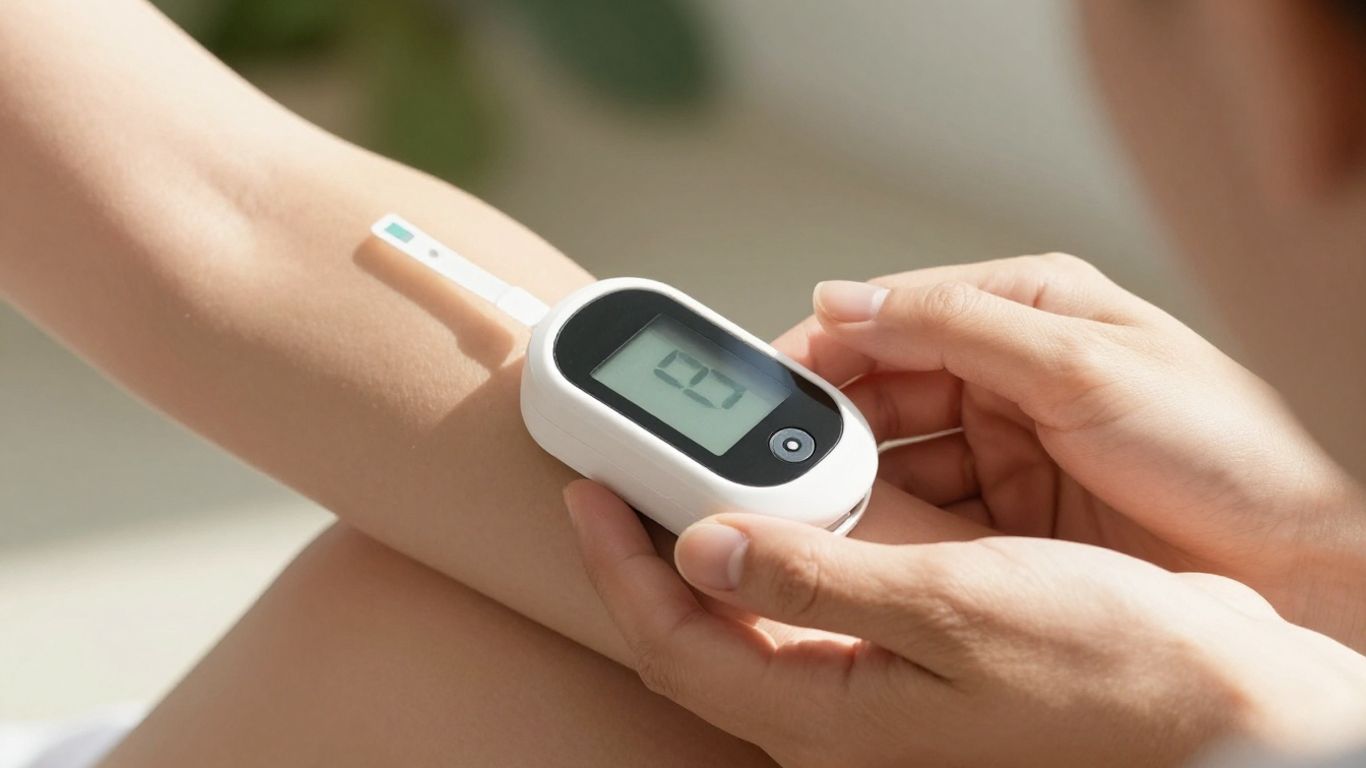
Most people used to think continuous glucose monitors, or CGMs, were only for managing diabetes.
But today, using a cgm for weight loss is becoming a powerful way to understand your body better.
These small devices do more than track blood sugar — they give you real-time insight into how your meals, habits, and daily routine affect your energy, cravings, and fat storage.
If you’re trying to lose weight or simply feel more balanced throughout the day, a cgm for weight loss can help you move from guesswork to clarity.
Instead of following generic advice, you start seeing exactly what works for your body — and that’s what makes a cgm for weight loss a true game-changer.
Key Takeaways
- CGMs show you how different foods and activities affect your blood sugar in real time.
- Understanding your glucose patterns helps you make smarter food choices for weight loss.
- Seeing your body’s response can boost your motivation to exercise and stick with it.
- By stabilizing blood sugar, CGMs can help prevent energy crashes and cravings.
- Using a CGM can lead to more sustainable weight loss by creating healthier habits.
Understanding Continuous Glucose Monitoring For Weight Loss
How Continuous Glucose Monitors Work
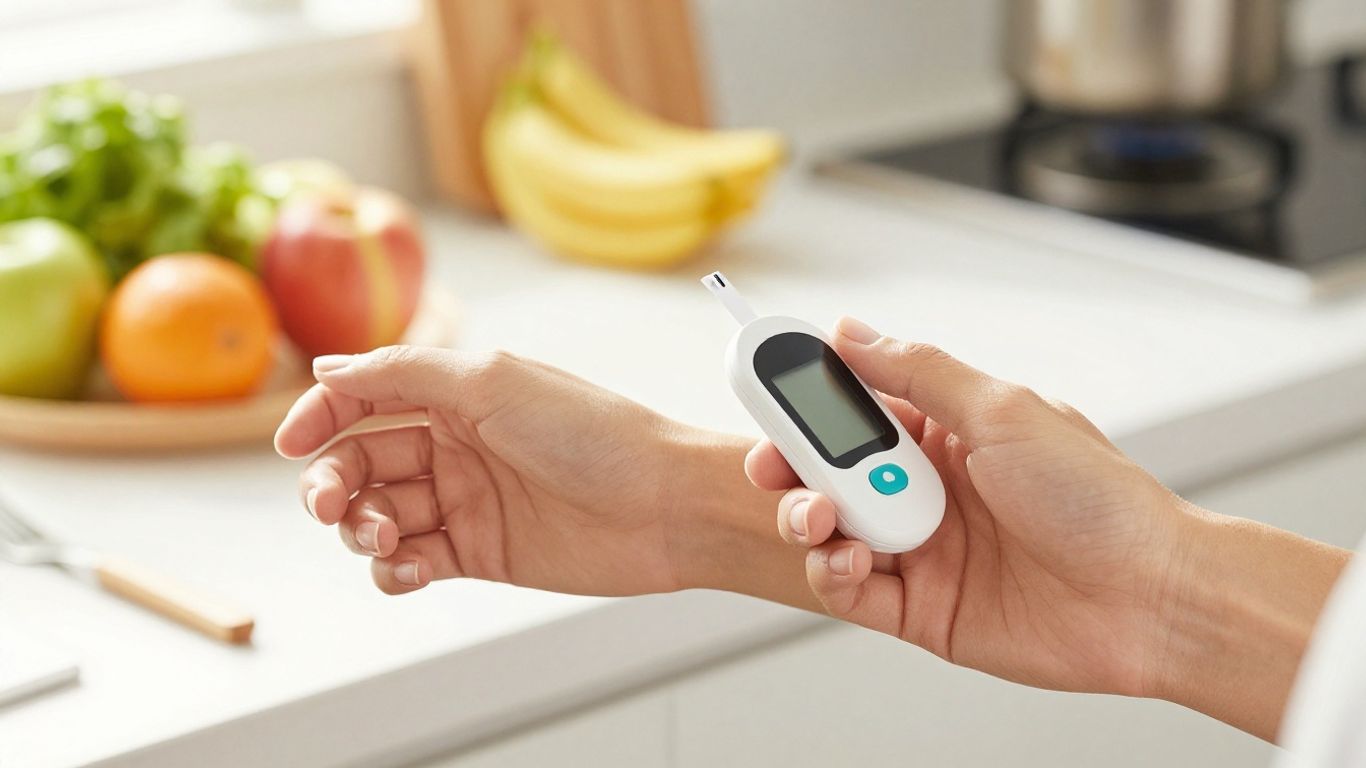
This is where a cgm for weight loss becomes especially useful, as it helps you connect daily habits with fat loss results. A continuous glucose monitor, or CGM, is a small device that keeps tabs on your glucose levels all day and night. Forget those old-school finger pricks; this is way more modern. It uses a tiny sensor that goes just under your skin, usually on your arm or belly, and stays put with a sticky patch. This sensor measures the glucose in the fluid between your cells, which is pretty close to what’s in your blood. The data then zips over to a receiver or your phone, so you can see what’s happening in real-time.
This constant stream of information shows you not just your current glucose number, but also the direction it’s heading. It can tell you if your levels are going up, down, or staying steady. This is super helpful for spotting trends and understanding how different things affect your body.
Here’s a quick look at what a CGM can show you:
- Alerts for highs and lows: Get notified if your glucose is getting too high or too low, even while you sleep.
- Time in range: See how much time you’re spending in your target glucose zone versus being too high or too low.
- Glucose trends: Understand if your levels are rising or falling, giving you a heads-up to make adjustments.
Beyond Diabetes: CGMs For General Health
Today, many people are using a cgm for weight loss to better understand how their body stores or burns fat. For a long time, CGMs were mostly for people managing diabetes, especially type 1 and type 2. They’ve been a game-changer for those who need to keep a close eye on their insulin levels and avoid dangerous highs or lows. But here’s the thing: our bodies are all pretty similar when it comes to how we handle sugar. So, even if you don’t have diabetes, understanding your glucose patterns can be really beneficial for your overall health and, yes, even for losing weight.
Think about it: when your body has too much sugar, it stores it. If your muscles and liver are already full, that extra sugar gets turned into fat. Knowing when these spikes happen can help you make smarter food choices. It’s not just about avoiding diabetes; it’s about helping your body work more efficiently.
Real-Time Insights Into Your Body
With a cgm for weight loss, these real-time insights allow you to adjust your routine for more stable energy and better results. What’s really cool about CGMs is that they give you a window into what’s happening inside you, moment by moment. You can see how that breakfast muffin or that afternoon workout actually impacts your glucose levels. It’s like having a personal health detective working 24/7.
This constant feedback loop helps you connect your daily actions – what you eat, how you move, even how stressed you are – directly to your body’s internal chemistry. It moves you from guessing to knowing.
This kind of data is gold for anyone trying to manage their weight. You start to see patterns you might never have noticed otherwise. Maybe that seemingly healthy snack is actually sending your glucose soaring, or perhaps a brisk walk after dinner helps bring things back into a good range. It’s all about learning your body’s unique responses so you can make better decisions for weight loss and general well-being.
Leveraging CGM Data For Optimal Metabolism

So, you’ve got this continuous glucose monitor (CGM) strapped on, and you’re seeing all these numbers. What do they actually mean for your metabolism? It’s not just about avoiding those dreaded energy crashes; it’s about fine-tuning how your body uses fuel. Think of your metabolism as your body’s engine. A CGM gives you a real-time dashboard for that engine, showing you how different inputs affect its performance.
Optimizing Fuelling Strategies
Using a cgm for weight loss helps you choose meals that support fat loss instead of causing unwanted glucose spikes. Understanding how your body reacts to different foods is a game-changer. You can start to see patterns: maybe that mid-morning snack you thought was healthy actually sends your glucose levels on a rollercoaster, leading to that afternoon slump. By looking at your CGM data, you can make smarter choices about what and when you eat. This isn’t about strict diets; it’s about listening to your body’s signals.
Here’s a simple way to start thinking about it:
- Pre-workout fuel: See how a small amount of carbs before exercise affects your energy and glucose response. Some people do better with a bit of fuel, others might find it unnecessary.
- Post-workout recovery: Notice how your glucose levels stabilize after a meal following your workout. This can tell you if you’re recovering efficiently.
- Meal timing: Observe the glucose spikes and dips after breakfast, lunch, and dinner. Are you experiencing prolonged highs or sharp drops?
The real magic happens when you connect what you eat with how your glucose responds. It’s like having a personal coach showing you exactly what works for your unique system. This kind of insight can really help in finding metabolic blood sugar support programs that align with your body’s needs.
Tailoring Training and Recovery
Your training routine and how you recover are deeply linked to your metabolism. A CGM can show you how intense workouts affect your glucose and how long it takes for your levels to return to normal. This information helps you adjust your training intensity or duration. For instance, if you see your glucose consistently dropping too low during long cardio sessions, you might need to adjust your pre-exercise fueling or intensity. Similarly, observing your glucose recovery after a tough session can inform your post-exercise nutrition and rest periods. It’s about working with your body, not against it.
Preventing Energy Crashes
A cgm for weight loss helps prevent energy crashes that often lead to overeating and slow progress. Those sudden dips in energy, often called ‘crashes,’ are usually linked to rapid drops in blood sugar. Your CGM will highlight these moments. You might notice a crash happening a couple of hours after a meal that caused a big glucose spike. By identifying these patterns, you can make adjustments to your diet to promote more stable glucose levels throughout the day. This means more consistent energy for whatever you need to do, whether it’s hitting the gym or just getting through your workday. Incorporating nutrient-rich foods can also play a big role in keeping your energy steady.
The Role of CGM in Weight Management
A cgm for weight loss allows you to make informed dietary choices based on real data instead of guesswork. It might seem a bit surprising, but a continuous glucose monitor (CGM) can be a real game-changer when you’re trying to manage your weight. For a long time, these devices were mainly for people with diabetes, but now we know they offer a lot more. They give you a clear picture of how your body reacts to different foods and activities, which is super helpful for shedding pounds and keeping them off.
Informed Dietary Choices
One of the biggest benefits of using a CGM for weight management is how it helps you understand your food choices. You can see in real-time how different meals and snacks affect your blood sugar levels. This means you can start to figure out which foods lead to energy spikes and crashes, and which ones keep you feeling satisfied and stable.
- Spotting patterns: You’ll notice how certain carbs cause a quick rise and fall, while proteins and healthy fats lead to a more gradual response.
- Identifying triggers: Discover which specific foods might be causing unwanted cravings or energy dips later in the day.
- Making better swaps: Easily see the difference between a sugary snack and a more balanced option, guiding you toward choices that support your goals.
Seeing your glucose numbers change right after you eat can be eye-opening. It makes you think twice about that second helping or that sugary drink when you know exactly how it’s impacting your body.
Increased Motivation for Exercise
Knowing how your body responds to exercise can be a huge motivator. A CGM can show you how your blood sugar levels change during and after a workout. This insight can help you plan your meals and snacks around your exercise routine more effectively, ensuring you have the energy you need and that your body recovers well.
- Pre-workout fuel: Learn what to eat before exercise to avoid feeling sluggish or hitting a wall.
- Post-workout recovery: Understand how your body uses glucose after activity, helping you make better recovery choices.
- Consistency boost: Seeing the positive impact of exercise on your glucose stability can encourage you to stick with your fitness plan.
Achieving Sustainable Weight Loss
Ultimately, the goal is to lose weight in a way that lasts. By using a CGM, you’re not just guessing what works; you’re getting data-driven insights. This personalized information helps you build healthier habits that fit your lifestyle, making the weight loss journey less of a struggle and more of a sustainable lifestyle change. You’re learning to work with your body, not against it.
| Food Type | Typical Glucose Impact | Feeling After Meal | Weight Management Benefit |
|---|---|---|---|
| High Sugar Snack | Rapid Spike & Crash | Jittery, then Tired | Can lead to cravings and overeating |
| Balanced Meal | Gradual Rise & Fall | Steady Energy | Promotes satiety, reduces impulse snacking |
| Lean Protein | Minimal Impact | Full, Satisfied | Aids muscle repair and keeps hunger at bay |
CGM Benefits Beyond Weight Loss
While we’ve been talking a lot about weight loss, continuous glucose monitors (CGMs) offer a whole lot more. They’re not just for people managing diabetes anymore. Think of it as a window into your body’s energy management system, giving you insights that can help you feel better overall and perform at your best, even if weight isn’t your primary concern.
Predicting Prediabetes
CGMs can be a really useful tool for spotting signs of prediabetes early on. Often, people with prediabetes have blood sugar levels that are a bit higher than normal, but not quite at the diabetes level. Traditionally, you might only get tested yearly. But with a CGM, you get a constant stream of data. This means you can see patterns and potential issues much sooner. It’s a proactive way to catch things before they become a bigger problem, especially if you have a family history or other risk factors. Getting this early heads-up can make a big difference in making lifestyle changes.
Reaching Peak Performance
Whether you’re an elite athlete or just someone trying to hit your personal fitness goals, understanding your blood sugar is key. Your body’s energy levels fluctuate based on what you eat, when you eat, and how you move. A CGM shows you exactly how these things affect your glucose levels in real-time. This information helps you fine-tune your nutrition and training schedules. For instance, you might discover that a certain pre-workout snack keeps your energy stable for longer, or that adjusting your post-workout meal timing helps you recover faster. It’s about making smart, data-driven choices to help you perform better and feel stronger.
Improved Post-Exercise Recovery
After a tough workout, your muscles need fuel to repair and rebuild. Stable blood sugar levels play a big part in this process. If your glucose levels spike and then crash after exercise, it can slow down recovery and even lead to more soreness. A CGM helps you avoid these post-exercise energy dips. By seeing how your body responds to different foods and recovery strategies, you can make sure your muscles get the energy they need when they need it. This means less downtime, less muscle pain, and getting back to your training routine quicker. It’s all about helping your body bounce back more effectively.
Understanding how your body handles glucose is more than just a weight management strategy. The biggest benefit of a cgm for weight loss is building long-term habits that support sustainable fat loss, it’s a pathway to better overall health and vitality. By paying attention to these real-time signals, you can make informed decisions that impact everything from your energy levels to your long-term well-being.
CGMs provide a detailed look at your metabolic health, which can be incredibly beneficial for anyone looking to improve their Metabolic Health Guides. This technology offers a unique perspective on how your daily habits influence your internal systems, leading to more effective and personalized health strategies. The insights gained can also contribute to better glycemic control, which is important for everyone, not just those with diabetes.
Making Informed Health Choices With CGM
Understanding Food’s Impact on Glucose
So, you’ve got this little device on your arm, and suddenly your food choices aren’t just about taste anymore — they’re about data.
A continuous glucose monitor (CGM) shows you, in real-time, how different foods affect your blood sugar levels. You might think that slice of toast is harmless, but seeing that spike on your CGM can be a real eye-opener.
It helps you connect the dots between what you eat and how your body responds, moving beyond general advice to personalized knowledge.
This kind of insight helps you make better day-to-day decisions, giving you more control over your energy levels and overall well-being.
Over time, this leads to a more balanced approach to eating — choosing foods that keep your glucose stable and your energy consistent.
For many, this leads to a more balanced approach to eating, focusing on foods that keep their glucose steady and energy consistent, which is a big part of achieving glucose balance lifestyle goals.
Here’s a quick look at how common food types might affect your glucose levels:
- Simple Carbohydrates (e.g., white bread, sugary drinks): Often cause rapid spikes and subsequent crashes.
- Complex Carbohydrates (e.g., whole grains, vegetables): Tend to cause a slower, more gradual rise in glucose.
- Proteins and Healthy Fats (e.g., lean meats, avocados): Have a minimal impact on immediate glucose levels and can help slow the absorption of carbohydrates.
Identifying Lifestyle Influences
It’s not just about what’s on your plate — your daily lifestyle plays a big role too.
A CGM can reveal how factors like stress, sleep, and physical activity affect your blood sugar levels. For example, you might notice a glucose spike after a stressful day, even if your diet was balanced.
On the other hand, a good night’s sleep or a short walk can have a positive impact that you can actually see in your data.
This helps you understand the bigger picture — how your habits connect directly to your metabolic health.
As you start noticing these patterns, you can make small adjustments that lead to more stable energy and better long-term results.
It’s pretty amazing to witness how these factors play a role, and it gives you the power to adjust your routines for better results. Understanding these connections is a big step towards adopting sustainable habits that support your health long-term.
Personalized Health Journeys
Over time, a cgm for weight loss becomes a powerful tool for improving metabolic health and maintaining results.
Ultimately, using a CGM transforms your health journey into something deeply personal. Instead of following generic advice, you’re responding to your body’s specific signals. This means you can fine-tune your diet, exercise, and even your sleep schedule based on what actually works for you. It’s about moving away from one-size-fits-all approaches and embracing a more tailored strategy. This personalized feedback loop can be incredibly motivating, showing you tangible progress and helping you stay on track with your weight management and overall health goals. The data from your CGM becomes your personal roadmap to better metabolic health.
What you learn from a CGM isn’t just about numbers; it’s about understanding your body’s intricate responses. This knowledge allows for proactive adjustments, leading to more stable energy, better weight management, and a general feeling of improved well-being. It’s a tool that helps you become a more informed participant in your own health.
Here are some lifestyle factors a CGM can help you monitor:
- Sleep Quality: See how poor sleep might affect your morning glucose levels.
- Stress Management: Observe glucose fluctuations during stressful periods and identify coping mechanisms.
- Exercise Timing: Understand how exercising before or after meals impacts your glucose response.
- Hydration: Notice how staying hydrated might influence your glucose stability.
Wrapping It Up
So, there you have it. Using a CGM might seem a bit much at first, especially if you don’t have diabetes, but it really gives you a clear picture of what’s going on inside your body. Seeing how different foods and activities affect your blood sugar can be a real eye-opener. It’s not just about losing weight; it’s about understanding your body better so you can make smarter choices for your health overall. Think of it as a tool to help you get to where you want to be, whether that’s shedding a few pounds or just feeling more energetic day-to-day.
If used consistently, a cgm for weight loss can completely change how you approach nutrition and lifestyle decisions.
It’s definitely worth looking into if you’re serious about taking control of your well-being.
Frequently Asked Questions
What is a CGM and how does it work?
A CGM, or Continuous Glucose Monitor, is a small device with a tiny sensor that you wear under your skin, usually on your arm or belly. It checks your sugar levels all day and night. It sends this info to a phone or special gadget, so you can see how your body is doing with your sugar levels without having to prick your finger.
Can people without diabetes use a CGM?
Yes! While CGMs were first made for people with diabetes, anyone can use them now. They help you understand how your body reacts to food and activity, which is great for anyone wanting to get healthier or perform better, even if they don’t have diabetes.
How can a CGM help with weight loss?
A CGM shows you exactly how different foods affect your sugar levels. Knowing this helps you pick foods that keep your energy steady and make you feel full longer. This can lead to making better food choices and can really help if you’re trying to lose weight.
Will a CGM help me exercise better?
Definitely! By seeing how your sugar levels change during and after exercise, you can figure out the best times to eat and what to eat to have more energy. It can also help you recover faster after tough workouts, so you can get back to training sooner.
Can a CGM help me avoid energy crashes?
Yes, it can! When your sugar levels drop too low or spike too high, you can feel tired and sluggish. A CGM alerts you to these changes, so you can eat something or adjust your activity to keep your energy levels stable and avoid those unwanted crashes.
Is a CGM expensive?
CGMs can cost more than basic sugar testing kits. The price can vary a lot depending on where you live and the brand. Sometimes health insurance might cover some of the cost, especially if you have diabetes. For others, it might be an out-of-pocket expense.